

Yearly Archives: 2019

NIFA Director Calls Tribal Colleges ‘High Priority’
J. Scott Angle, director of the USDA’s National Institute of Food and Agriculture, says programs that support tribal colleges will be a top priority, despite the agency’s recent move and reduced staff.
Continue reading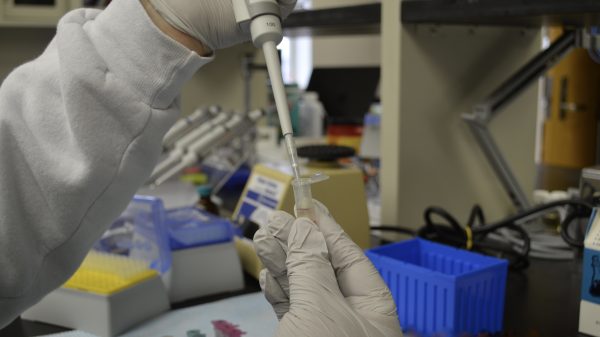
Riding the J-Curve
The exponential growth of science programs at United Tribes Technical College through fifteen years of NSF support
Continue reading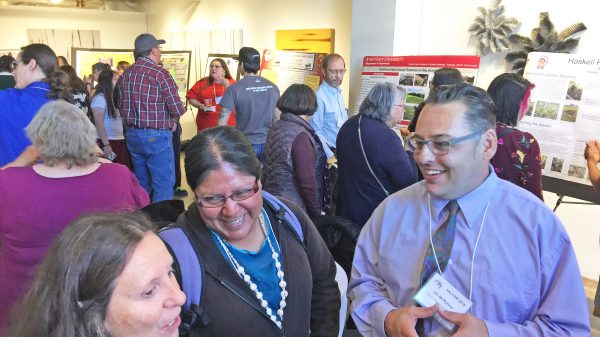
Finding Common Ground
On the twenty-fifth anniversary of their designation as land grant institutions, tribal colleges are working to strengthen relationships with their mainstream university partners.
Continue reading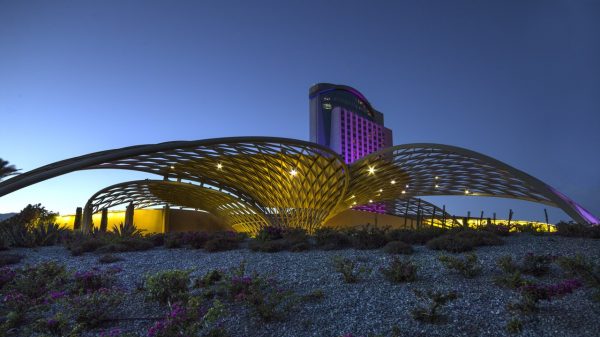
Sharing the Wealth
Would adoption of a Universal Basic Income help America become a healthier, more equitable nation? Studying the impact of tribal per capita payments within reservation communities could help answer this question.
Continue reading
Weaving STEM Education and Culture
An NSF-funded video, first released in 2009, documents the growth of STEM programs within tribal colleges.
Continue reading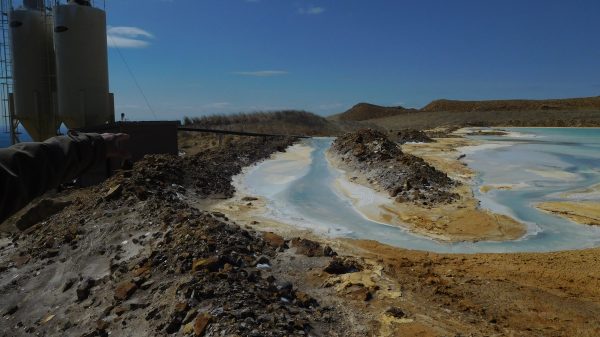
An Open Wound
An enormous open pit gold mine—now abandoned—is poisoning water flowing into the Fort Belknap Reservation of Montana. Aaniiih Nakoda College, with support from the National Science Foundation, is establishing a research and policy center to monitor the impact and promote sound water policy.
Continue reading
Tribal College Grads ‘Thriving’
Tribal college alumni report high levels of career satisfaction and community engagement, according to a new report released by Gallup and the American Indian College Fund.
Continue reading
The Roots (and Grains) of Native Health
High school students participating in a Navajo Technical University STEM program help prepare a diabetic-friendly meal.
Continue reading
More than Scholarships
Many people know that the American Indian College Fund provides financial support to students. Less well known are programs that promote undergraduate research and support faculty scholarship.
Continue reading
Creating a Sustainable Energy Future
Tribal colleges are using solar, wind, and geothermal energy to power their campuses and training students for work in Green energy industries. Stronger economies and healthier environments will be the result.
Continue reading